Where the Wild Things Are
 is a truly magical film that transports the viewer, regardless of age, back to the complexities of childhood through a simple, but touching, tale. The film was adapted from the popular
children's book by Maurice Sendak.
The story is told from the point of view of Max, a young boy with a quick temper and a vivid imagination. As the story unfolds it paints Max as a loner with no one to turn to except his incredible subconscious. As a result of being told through the eyes of a child the story is erratic and simplistic, but with wonderful consequences.
Classical Hollywood cinema has always been predicated on narrative, or a set story. Specifically, it can be described as, "Classical narration progresses always through psychological motivation, i.e. by the will of a human character and its struggle with obstacles towards a defined goal. (1)" Think of almost any major studio picture you see in the theaters today, and it will follow that simple rule of narrative cinema. As filmmakers at USC, our professors have ingrained the notion of story, logical progression, and characters' plot goals into our writing because that is what is made in the industry today and what is generally the most compelling type of film.
Where the Wild Things Are drastically breaks from Classical Hollywood Cinema, but instead of being flat and underdeveloped, the metaphors discussed are both realistic and incredibly magical.

The film opens with Max, playing in the real world, but ostracized by his sister and her older friends. He loses control of his temper, and trashes his sister's room, and then causes a ruckus at dinner, only to be sent to his bedroom without dinner. Max runs away, and his emotions follow him to a shore where a raft awaits him. Once we hit the shore, as an audience, we enter Max's mind and confront the complexities of his personality as they are externalized through the Wild Things. Each Wild Thing represents a different aspect of Max's emotion. Carrol is quick to anger and constantly lashes out at the others, similar to Max in the first scene with his sister when a playful game goes wrong. KW is the very caring and supportive side of Max. Which, keeping with Max's true personality, is a sort of veiled figure throughout the film, only appearing at specifically chosen times, and not present for large portions. Also, there is Judith, a self-proclaimed stubborn Thing that only brings up the negatives to ideas and adventures. As the film progresses all of these Wild Things (Max's personality traits) clash with each other beautifully to paint a very original picture of what it's like inside the mind of a child. The film uses these metaphors to push the film along, rather than a well-established narrative.
In fact, to me, a strong narrative isn't really present throughout the film at all. The "plot" once Max reaches where the Wild Things are, is not typical of a major studio film today. Max is crowned King of the Wild Things, and then they set out to build a large fort for them all to live in, "where only the things they want to happen, would happen." Large portions of the time spent with the Wild Things is watching them cause a ruckus, playing off each other, and freely destroying trees or sleeping in large piles together. Max leads the Wild Things as they build the fort, until Carrol becomes upset with KW and Max for letting outsiders in, and then Max decides it's time to leave. The simplicity of Max's goal, to build a fort, is met with few obstacles and conflicts along the way. But, sticking to the metaphorical nature of the Wild Things' storyline, all conflict arises from the Wild Things battling each others' personalities. It's a visual reminder of how a child's mind deals with the natural issues of right and wrong, acceptance, and loneliness.
Part of the reason I wanted to write about this film, is because of the odd nature of criticizing it. After the film had ended I was unsatisfied, and literally found myself thinking, "wait, this can't be over yet, they haven't really
done anything." But, that is what is so extraordinary about this film. The audience is transported from their seats to another world to play with the Wild Things for 50 minutes, and then taken back to the real world with Max, simple as that. The story drags at parts and becomes boring as I grew tired of watching the Wild Things interact with Max rather than heading off to save one of their friends on an adventure in an intricate story-line. Still, it's difficult to take those feelings seriously, because that would have gone completely and entirely against the direction of the film. It's a different kind of film, and it greatly succeeded at what it was attempting to do; show us the mind of child. In the end, it felt to me as if nothing had happened, but as the facets of Max's personality clash where the Wild Things are,
so much happens.
-Brian
This is the one of the trailers for the film, and it is quite honestly the best film trailer I have ever seen. The quick pace, how it moves through the story, and how each emotion of Max is represented both through the images and song is really quite moving. Especially if you've seen the film.
NOTE: I would embed the trailer, BUT, the last time I did it was removed from my blog post due to usage violations, and the trailers (even on youtube) have disabled the "embed link."
So you'll just have to settle for clicking on this...
TRAILER: WHERE THE WILD THINGS ARESources:
(1)- "Classical Hollywood Cinema."
Wikipedia. 16 Oct. 2009. Web. 31 Oct. 2009.
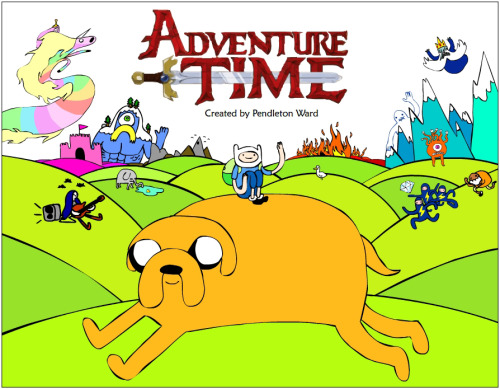
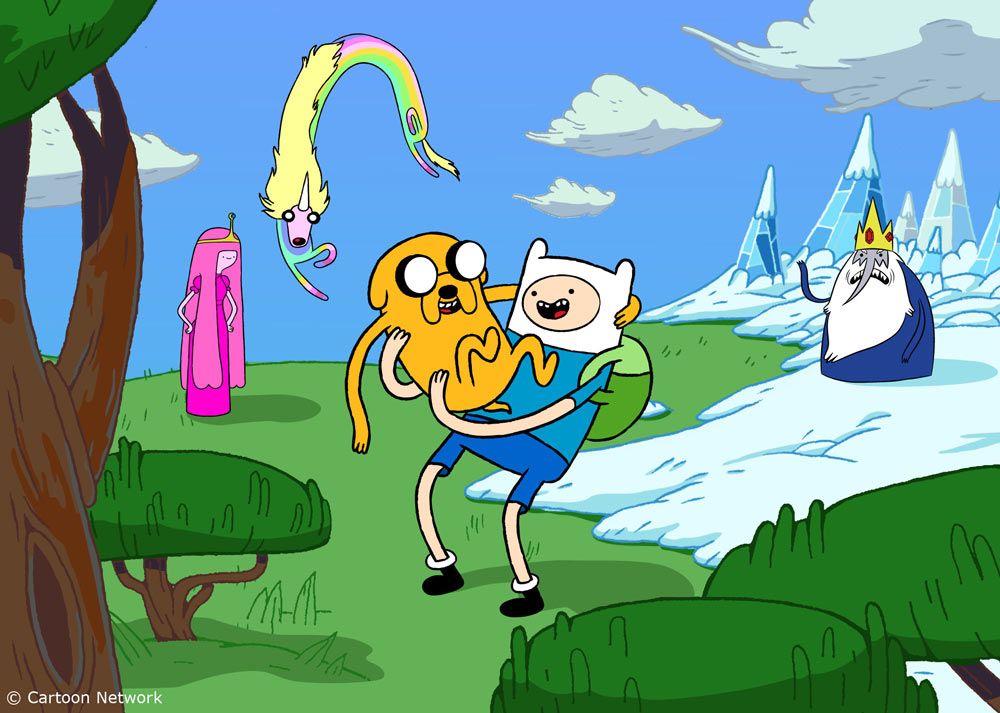 I first discovered Adventure Time on youtube, almost 2 years ago, as Pendleton Ward, the creator, had posted his short pilot of the show. The ridiculous comedy and imaginative characters and situations that come from this guy's head are amazing to watch.